Social Media and OSINT: Tools That Drive Modern Investigations
Hot off the heels of Part 1 of our social media OSINT series, this article turns from sources to practice. Social networks generate vast amounts of public information—posts, comments, videos, metadata, and social connections—but volume alone doesn’t create insight. Without tools built to collect, organize, and preserve that data, critical signals remain buried in noise, scattered across interfaces, or lost as content shifts and disappears.
This article focuses on the practical layer of social media OSINT: the tools investigators rely on to extract structured data from the platforms covered in Part 1. Each section highlights one tool for one platform, showing how analysts move from raw online activity to usable intelligence that can be analyzed, compared, and acted upon.
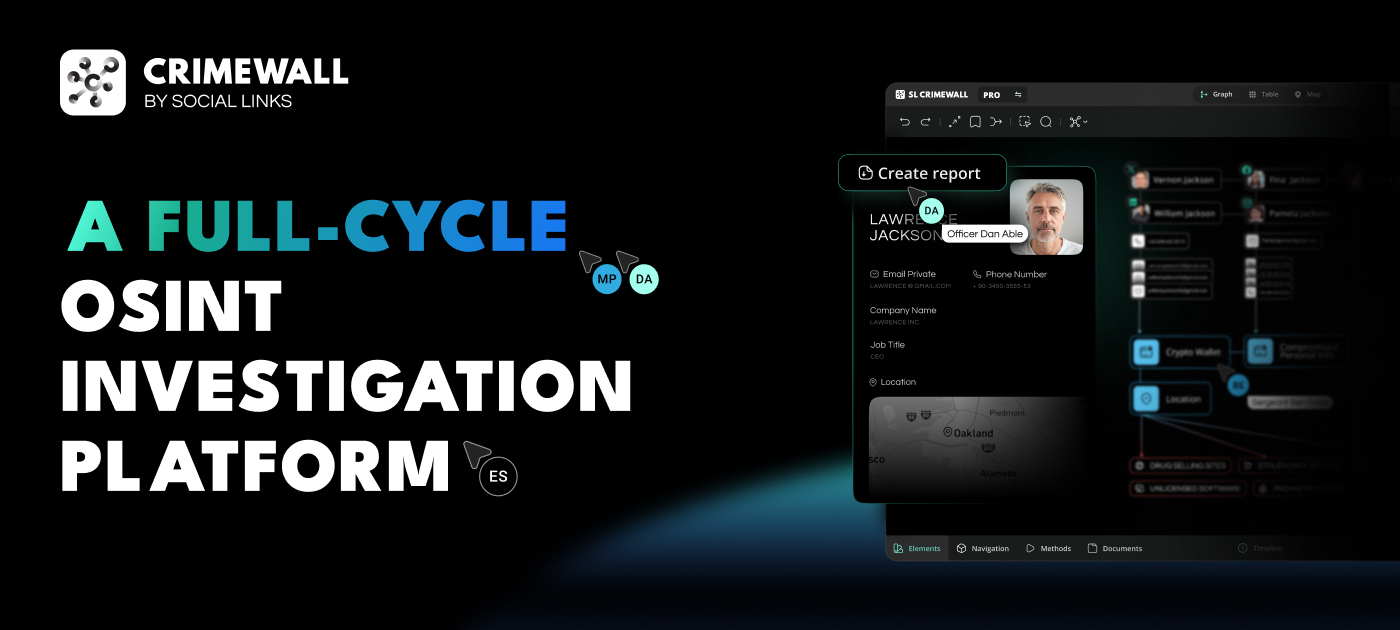
Kicking off the list is SL Crimewall, an all-in-one OSINT investigation platform designed to centralize social media intelligence. Instead of juggling multiple single-purpose tools, analysts can extract data, map relationships, and build timelines in a single workspace. Crimewall supports 500+ open sources, including major social networks and messaging apps, making it the backbone of multi-source investigations.
What SL Crimewall does:
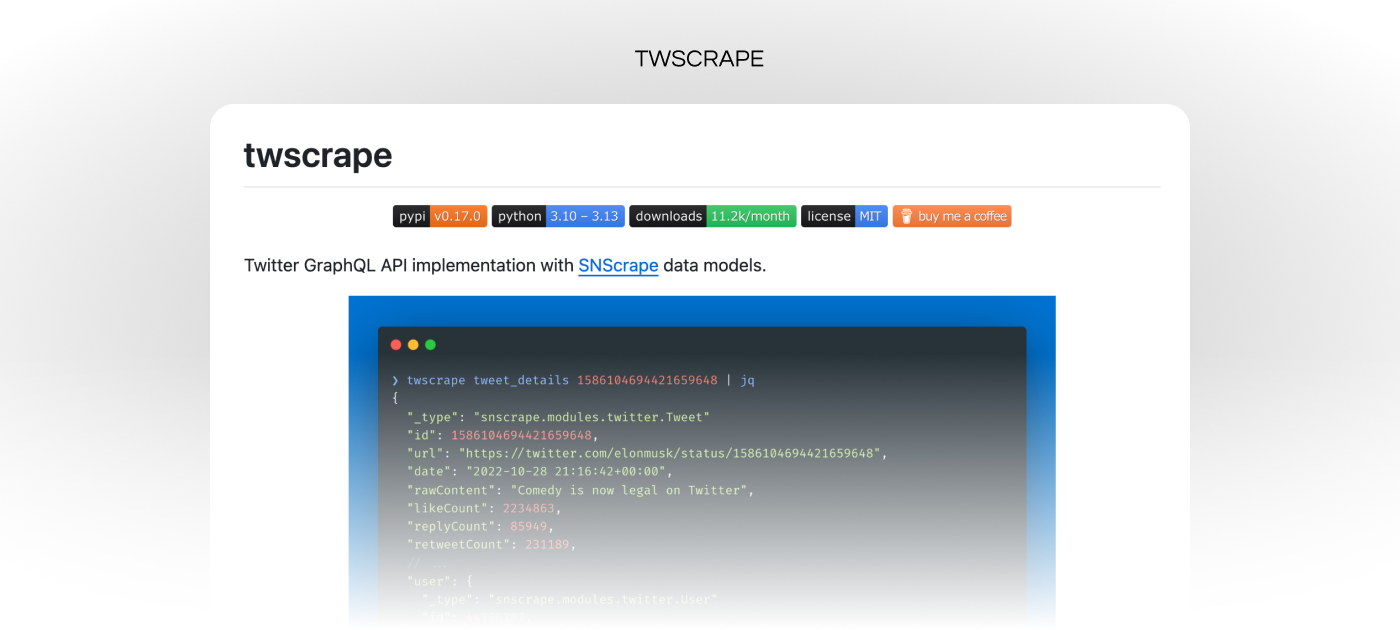
Next is twscrape, a modern scraping tool built specifically for collecting public data from X. It relies on authenticated sessions rather than deprecated APIs, making it a practical option for working with current platform access patterns. For investigators, it offers a structured way to collect large volumes of posts and account data from one of the fastest-moving social networks.
What twscrape does:
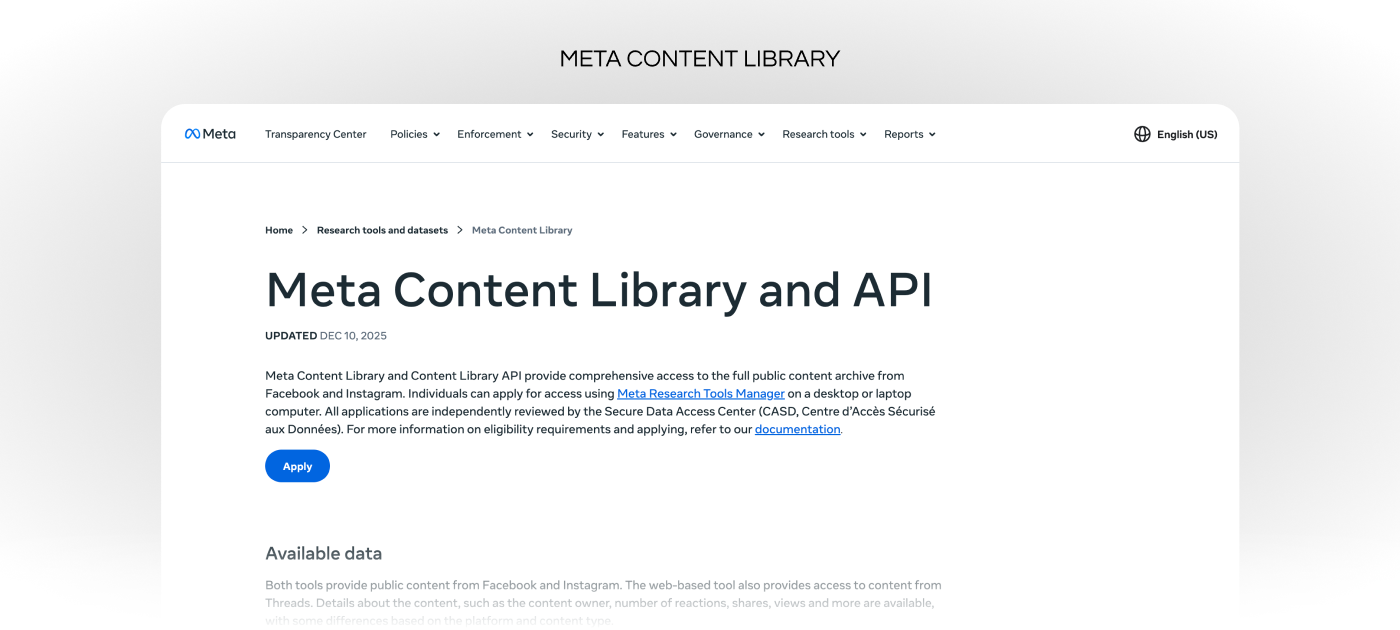
For Meta platforms, the official option is the Meta Content Library. Introduced after the retirement of CrowdTangle, it provides structured access to public posts, Pages, and engagement metrics across Meta platforms. Built for journalists, researchers, and civil society organizations, it supports large-scale analysis of public Meta content.
While access is controlled and functionality differs from CrowdTangle, it remains the most authoritative source for this type of research.
What the Meta Content Library does:
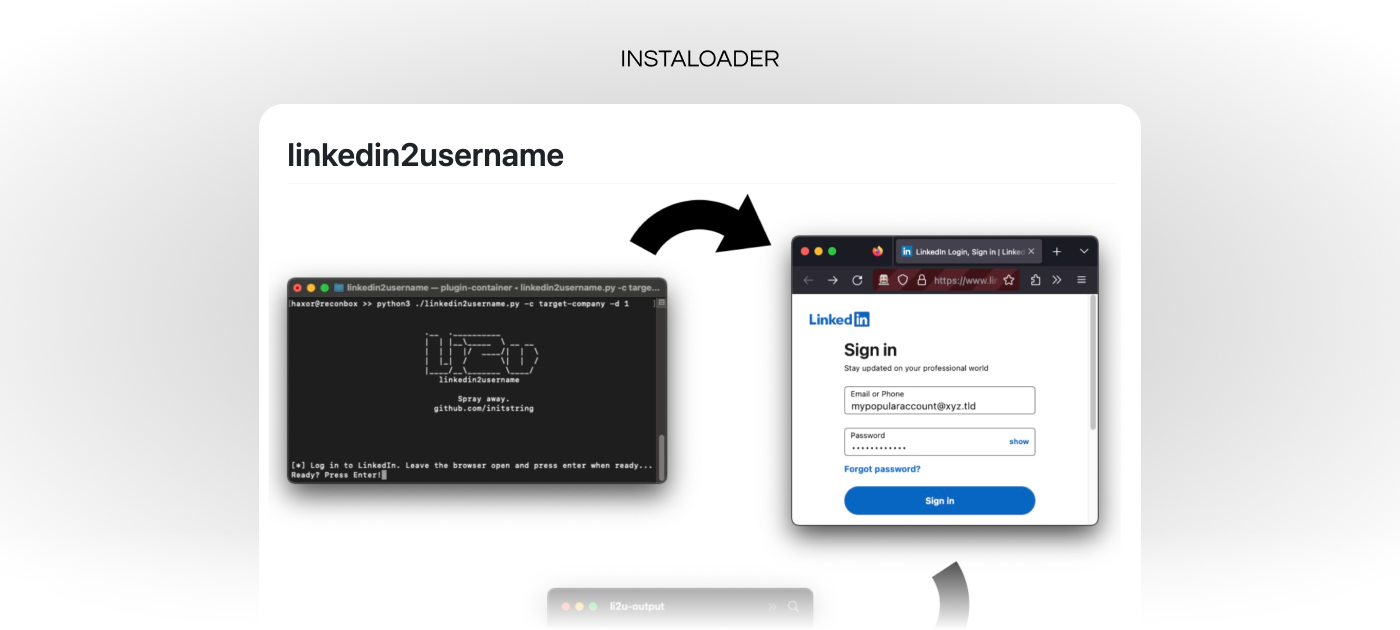
For LinkedIn-focused work, linkedin2username takes a narrower but practical approach. Rather than attempting full scraping, it concentrates on extracting consistent profile identifiers from company pages and search results. This makes it particularly useful for mapping professional networks and enumerating employees tied to specific organizations.
What linkedin2username does:
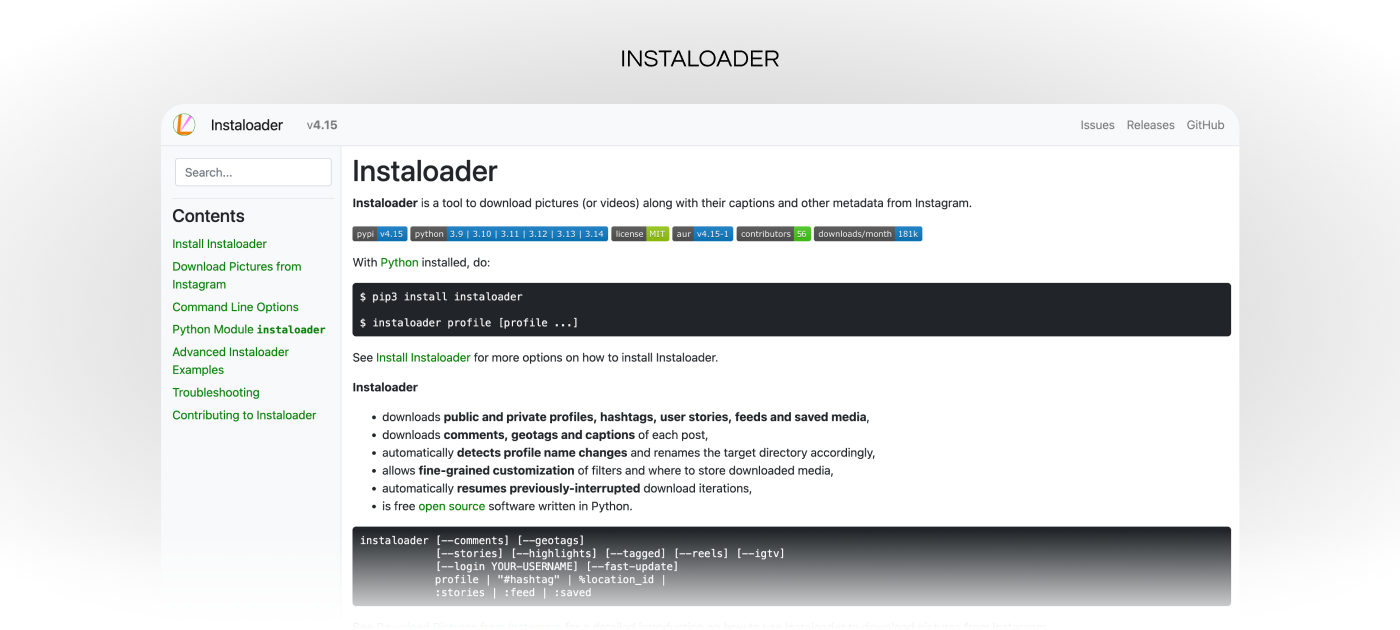
When it comes to Instagram content collection, Instaloader is a widely used open-source tool. It allows investigators to download public posts and stories along with their metadata, preserving media in original quality. This makes it especially useful for archiving accounts, reviewing posting history, and reconstructing timelines.
What Instaloader does:
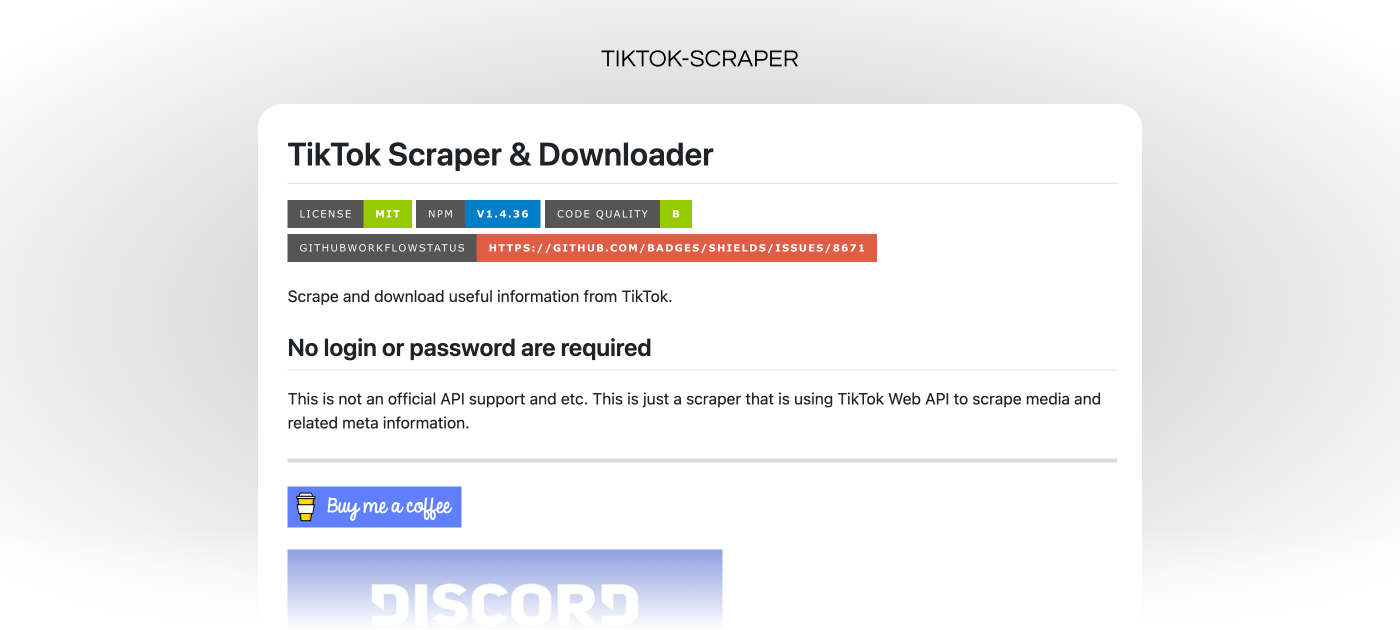
For TikTok, TikTok-Scraper provides a straightforward way to collect publicly accessible data through web-based scraping. It focuses on extracting structured metadata from videos, profiles, hashtags, and trends, helping analysts work with TikTok content outside the app’s fast-moving interface.
What TikTok-Scraper does:
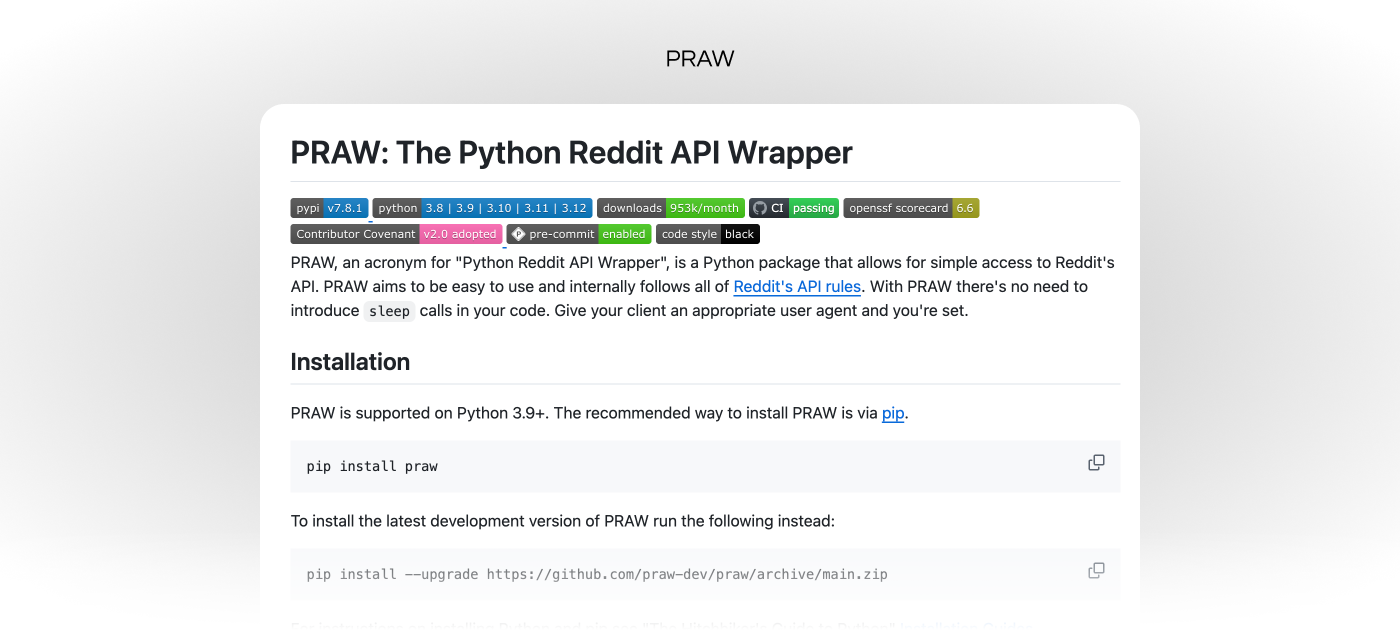
For Reddit investigations, PRAW, the Python Reddit API Wrapper, is the official and actively maintained library for accessing platform data. It offers structured access to posts, comments, and user histories across subreddits, making it well suited for analyzing long-form discussions and community behavior.
What PRAW does:
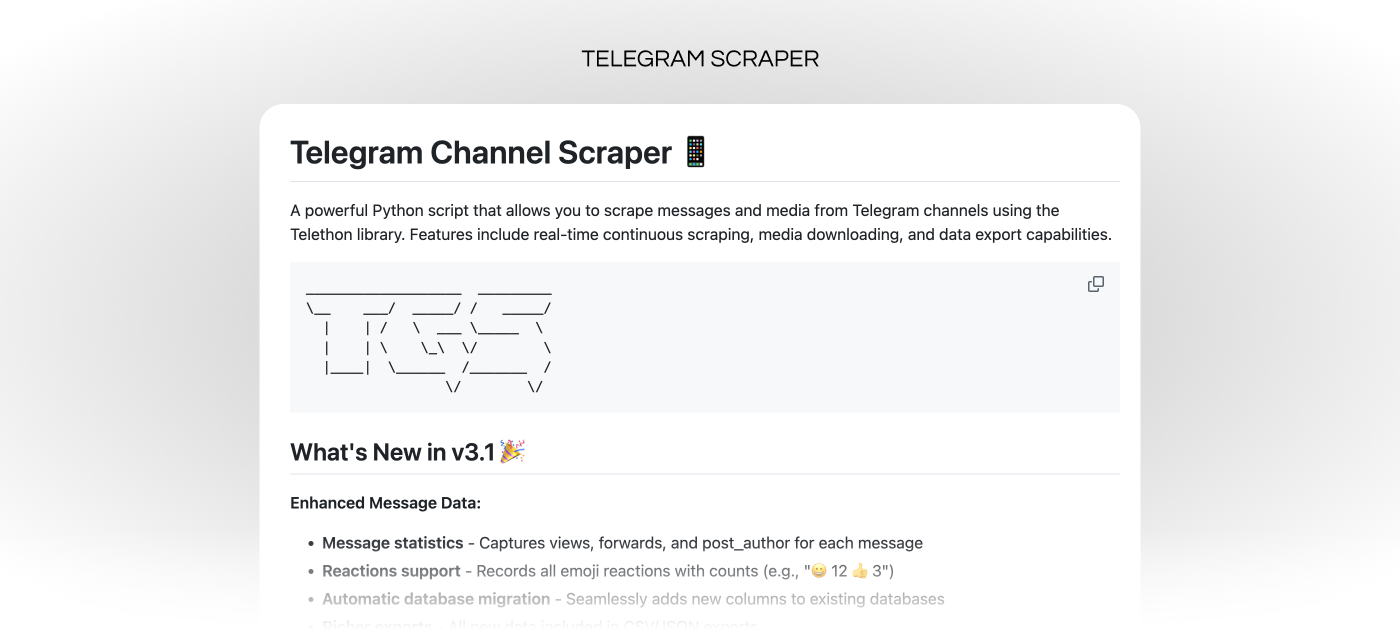
For Telegram ecosystems, Telegram Scraper is an open-source tool built on the Telethon library. It’s commonly used to collect messages and media from public channels and groups, allowing investigators to archive conversations and analyze activity across high-volume Telegram communities.
What Telegram Scraper does:
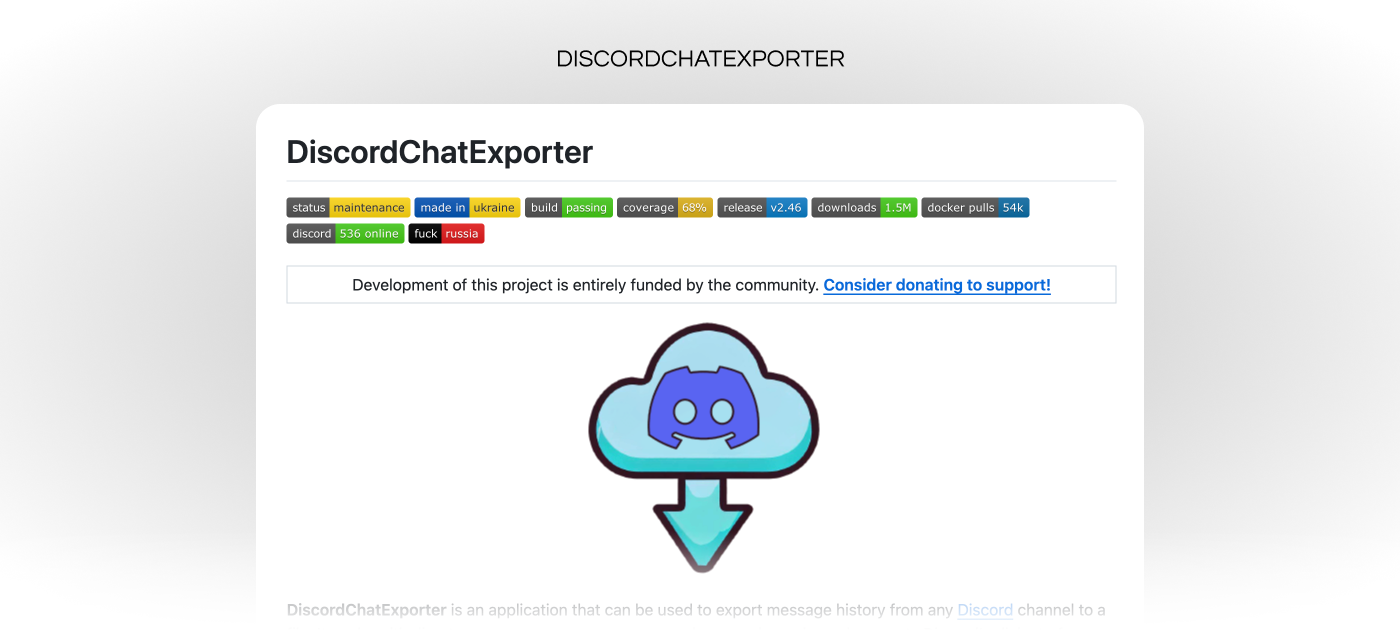
When working with Discord, DiscordChatExporter provides a simple way to preserve conversations in a structured format. It allows investigators to export messages, attachments, and timestamps from servers and channels, making it especially useful when content changes quickly or access may be temporary.
What DiscordChatExporter does:
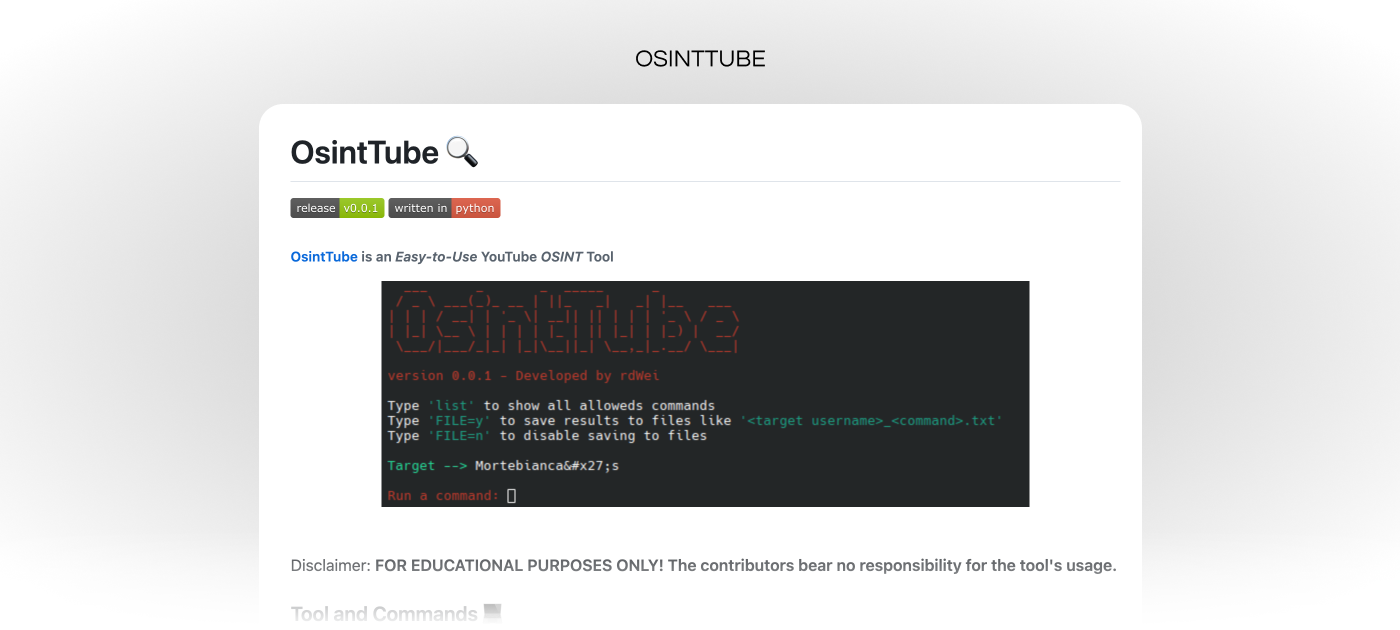
Rounding out the list is OsintTube, a YouTube-focused OSINT tool designed to extract structured metadata from channels and videos. Rather than downloading media, it concentrates on pulling information that helps analysts understand how content is published, organized, and engaged with over time.
What OsintTube does:
Social media OSINT is only as effective as the tools used to work with it. Platforms like X, TikTok, Reddit, and Instagram generate enormous volumes of public data, but without tools designed to extract, organize, and visualize that information, critical signals remain fragmented or disappear entirely. Proper tooling turns scattered posts, profiles, and metadata into structured material that can actually be examined and compared.
Understanding where data comes from is an important first step. Understanding how to work with it—how to collect it reliably, connect it across platforms, and preserve it over time—is what turns raw online activity into actionable, defensible intelligence.
Investigators rely on platform-specific extraction tools, metadata collectors, and investigative platforms like SL Crimewall to gather, structure, and analyze publicly available social media data.
Yes. Each tool in this article works with publicly accessible data from its respective platform, either through official research access (such as the Meta Content Library) or through structured scraping methods.
Platform-specific tools provide depth on individual networks, while investigative platforms like SL Crimewall are used to connect identities, activity, and relationships across sources in a single workspace.
Yes. When APIs are restricted or unavailable, scraping tools remain a practical way to collect publicly visible information, provided they are used responsibly and in line with legal and organizational guidelines.
Yes. Many of the tools covered here extract metadata, timestamps, and contextual information from images and videos, supporting timeline reconstruction, content verification, and behavioral analysis.
Want to turn scattered social media data into structured intelligence? See how SL Crimewall brings social media OSINT, relationship mapping, and cross-platform analysis together in a single investigative workspace.